Abu Mina: Ancient Christian Site in Egypt
Explore the ancient Christian site of Abu Mina in Egypt, a UNESCO World Heritage treasure. Discover Byzantine ruins, early Christian architecture, and Coptic history.
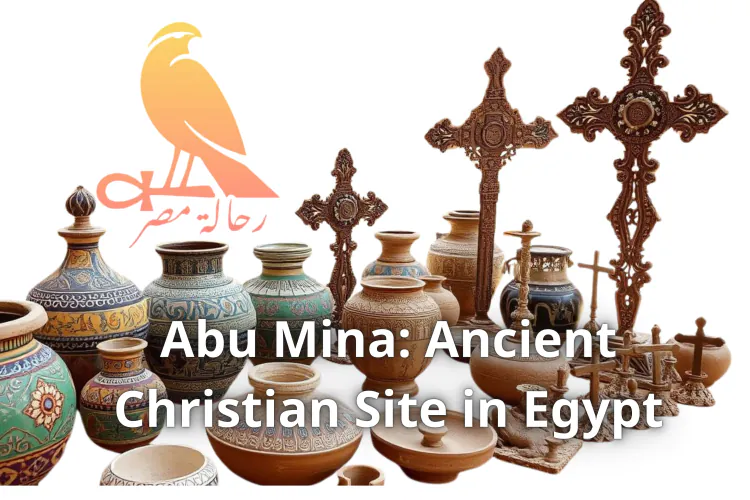
Abu Mina: Ancient Christian Site in Egypt
In Egypt's heart, a remarkable site stands as a testament to the country's rich Christian heritage. Abu Mina, a UNESCO World Heritage site, offers a captivating glimpse into the past. Here, Coptic Christianity, maritime trade, and Greco-Roman traditions intertwine. What secrets does this ancient site hold about early Christianity in the region? Get ready to travel back in time and discover the wonders of this extraordinary archaeological treasure.
Key Takeaways
- Abu Mina is an ancient Christian site in Egypt, known for its well-preserved Byzantine ruins and early Christian architecture.
- The site offers insights into the influence of Coptic Christianity, maritime trade, and Greco-Roman traditions in the region.
- Visitors can explore the remnants of churches, monasteries, and other religious structures, providing a unique window into the past.
- The site's designation as a UNESCO World Heritage site underscores its cultural and historical significance.
- Uncovering the secrets of Abu Mina can shed light on the early days of Christianity in Egypt and the broader Mediterranean region.
The Archaeological Site of Abu Mina
In Egypt's vast desert, the site of Abu Mina is a treasure. It shows the rich Christian history of the area. It's a key find for those studying the Mediterranean.
At Abu Mina, archaeologists have found many religious artifacts. They've seen monastic ruins and parts of ancient maritime trade paths. The site helps us understand Egypt's past and its ties to the Mediterranean.
The archaeological site of Abu Mina is crucial for learning about early Christian architecture and Coptic heritage. It keeps showing us the lasting impact of ancient Egyptian Christianity on the Mediterranean.
| Key Findings | Significance |
|---|---|
| Monastic ruins and religious artifacts | Insights into early Christian communities and their role in the region |
| Evidence of ancient maritime trade | Understanding the cultural exchange and economic connections in the Mediterranean |
| Well-preserved Coptic architecture | Preservation of Egypt's rich Christian heritage and its influence on the region |
The archaeological site of Abu Mina fascinates scholars and visitors. It gives us a glimpse into the past. As research goes on, we'll learn more about Egyptian archaeology and its impact on the ancient Mediterranean.
Exploring Coptic Monasteries and Early Christian Architecture
The archaeological site of Abu Mina offers a captivating glimpse into the rich history of Coptic monasteries and early Christian architecture. Visitors can wander through the well-preserved Byzantine ruins. These ruins showcase the region's architectural and cultural heritage.
These structures highlight the influence of Mediterranean archaeology on the area. They also emphasize the significance of UNESCO World Heritage sites. These sites play a crucial role in preserving the past.
The site's designation as a UNESCO World Heritage site underscores its global importance. It draws pilgrims and scholars from around the world. They are interested in studying the region's religious history.
Exploring the Coptic monasteries and early Christian architecture at Abu Mina is unique. It provides a chance to immerse oneself in the cultural and spiritual legacy of this ancient land.
Byzantine Ruins and Mediterranean Archaeology
The Byzantine ruins at Abu Mina offer a glimpse into the region's architectural and cultural heritage. These well-preserved structures showcase the influence of Mediterranean archaeology on the area. They invite visitors to step back in time and imagine the vibrant communities that once thrived within these walls.
UNESCO World Heritage Sites and Pilgrimage Sites
The recognition of Abu Mina as a UNESCO World Heritage site highlights its global significance. It shows the importance of preserving such important historical and cultural sites. Attracting pilgrims and scholars from around the world, Abu Mina provides a unique opportunity.
It allows visitors to explore the rich religious history of the region. It also helps them gain a deeper appreciation for the enduring legacy of Coptic Christianity.
"The ruins of Abu Mina stand as a testament to the enduring spirit of Coptic Christianity, inviting visitors to uncover the secrets of this ancient land."
Ancient Egyptian Christianity and St. Menas
The ancient site of Abu Mina is deeply connected to ancient Egyptian Christianity and St. Menas. This Coptic Christian martyr is highly revered. During the Byzantine era, Abu Mina was a key pilgrimage spot. It was home to St. Menas' shrine and relics, where many believed miracles happened.
At Abu Mina, archaeologists have found many ancient churches and religious buildings. These discoveries give us a glimpse into the growth of Coptic heritage and early Christian beliefs. They highlight Abu Mina's important role in the history of ancient churches and religious practices.
| Key Facts about St. Menas and Abu Mina |
|---|
- St. Menas was a Coptic Christian martyr from the 4th century AD
- Abu Mina was a major pilgrimage site during the Byzantine era due to the shrine and relics of St. Menas
- Excavations have uncovered ancient churches and religious structures at the Abu Mina archaeological site
- The site is significant in understanding the development of ancient Egyptian Christianity and Coptic heritage
The ongoing archaeological exploration of Abu Mina is revealing its rich history and cultural importance. It played a vital role in spreading Coptic heritage and the growth of ancient churches in the area.
"The Abu Mina archaeological site is a testament to the enduring influence of ancient Egyptian Christianity and the lasting legacy of St. Menas, whose shrine was a focal point of pilgrimage during the Byzantine era."
Early Christian Ruins and Byzantine Architecture
In the heart of Egypt, Abu Mina shows off early Christian ruins and Byzantine architecture. It's a peek into Egypt's rich history, highlighting Coptic Christianity and the era's architecture.
Egyptian Archaeology and Coptic Heritage
At Abu Mina, archaeologists have found many treasures. There are church and monastery remains, mosaics, and frescoes. These finds help us understand the past's architecture and art, and Egypt's Coptic heritage.
| Key Architectural Features | Significance for Coptic Heritage |
|---|---|
| Domed basilicas and centralized plan churches | Reflect the influence of Byzantine architectural styles and the prominence of Coptic Christianity in the region |
| Intricate mosaics and frescoes | Showcase the artistic and cultural sophistication of early Christian communities in Egypt |
| Monastic complexes and religious structures | Illuminate the important role of monasteries and religious institutions in shaping the Coptic way of life |
Abu Mina's treasures show the lasting impact of early Christian and Byzantine architecture in Egypt. They give us a fascinating look into the area's rich history.
Ancient Churches and Maritime Trade Routes
The archaeological site of Abu Mina in Egypt offers a unique window into the interplay between ancient churches and maritime trade routes that shaped the region's history. Excavations at this site have uncovered the remains of early Christian structures. These structures were intricately connected to the ancient maritime trade networks that criss-crossed the Mediterranean.
Abu Mina's strategic location along these vital trade routes allowed the flourishing of religious centers. The spread of Christianity throughout the region was supported by these trade routes. The wealth and resources generated by the bustling maritime commerce likely supported the construction and maintenance of the ancient churches found at the site. This highlights the integral role that trade played in the development of religious institutions.
| Characteristic | Abu Mina | Comparative Site |
|---|---|---|
| Proximity to Maritime Trade Routes | Situated along major ancient trade routes | Located inland, away from major trade networks |
| Architectural Features | Remains of ancient churches and other religious structures | Predominantly residential and administrative buildings |
| Economic Influence | Wealth and resources from trade supported religious development | Limited economic resources and trade impact on religious sites |
The interconnectedness of ancient churches, maritime trade routes, and the spread of Christianity is fascinating. By examining the site's unique location and the architectural remains, researchers can gain valuable insights. They can understand the complex relationship between religious, cultural, and economic factors that shaped the history of this region.
Greco-Roman Influence on Early Christian Monasteries
The archaeological site of Abu Mina in Egypt is a key example of Greco-Roman culture's impact on early Christian monasteries. It shows how classical traditions merged with the new Christian faith. The site's architecture and art reflect this blend.
Coptic Art and Pilgrimage Destinations
Abu Mina was a major pilgrimage spot in the Byzantine era. It drew people from all over the Mediterranean. The site's Coptic sculptures, frescoes, and mosaics amazed early Christian pilgrims. They came to see the cultural and spiritual richness of the area.
| Influence of Greco-Roman Culture | Significance of Coptic Art |
|---|---|
| Architectural elements, such as columns, arches, and domes, showcase the blending of classical and Christian design | Intricate Coptic sculptures, frescoes, and mosaics adorned the monasteries, attracting pilgrims from across the Mediterranean |
| Artistic motifs, including geometric patterns and naturalistic depictions, reflect the integration of Greco-Roman artistic traditions | The site's status as a major pilgrimage destination during the Byzantine era underscores the cultural and spiritual significance of Coptic art |
Abu Mina is a testament to Greco-Roman culture's impact on early Christian monasteries. The site's architecture and art show the rich heritage of Egypt's early Christian communities. It offers a unique glimpse into their cultural and spiritual world.
Ancient Maritime Trade and Monastic Ruins
The archaeological site of Abu Mina in Egypt is a treasure trove of history. It shows how ancient maritime trade and early Christian monastic communities were linked. This site is well-preserved, giving us a peek into how trade helped grow religious centers along key routes.
The ruins at Abu Mina tell us about the economic and social factors that shaped these religious communities. Located on major ancient maritime trade routes, it was a center for both religious and commercial activities. The money from trade helped the Coptic Christian community grow and build grand monastic ruins.
| Trade Route | Commodities Exchanged | Connecting Regions |
|---|---|---|
| Maritime trade routes | Spices, textiles, pottery, and other luxury goods | Egypt, the Levant, and the Mediterranean Basin |
| Overland trade routes | Grains, livestock, and raw materials | Egypt, Nubia, and the Saharan interior |
The architecture and artifacts at Abu Mina show its monastic community's key role. It was a hub for religious pilgrimage, economic exchange, and cultural interaction. By studying the ruins and artifacts, researchers gain insights into the ancient Mediterranean world's complex connections.
"The monastic ruins at Abu Mina offer a window into the vibrant and interconnected world of early Christian communities and ancient maritime trade routes."
Religious Artifacts and UNESCO World Heritage Site
The archaeological site of Abu Mina in Egypt is famous for its religious artifacts. These items give us a peek into the early Christian communities that lived there. Excavations have found many liturgical items, devotional objects, and architectural pieces. These finds help us understand the religious practices and cultural traditions of those times.
Being a UNESCO World Heritage site shows how important Abu Mina is worldwide. Visitors can see the remains of early Christian monasteries, churches, and other buildings. They can dive into the rich history and religious heritage of the area.
Exploring Early Christian Monasteries
Visiting Abu Mina lets you see the ruins of early Christian monasteries. These monasteries were places of devotion, learning, culture, and trade. They played a big role in spreading Christianity across the Mediterranean.
The Basilica of St. Menas is a highlight at Abu Mina. It's a grand complex that was a pilgrimage site for early Christians. You can explore the churches, chapels, and other structures. The Coptic art and architecture show the cultural and religious influences of the time.
| Artifact | Description |
|---|---|
| Liturgical Items | Chalices, patens, and other sacred vessels used in religious ceremonies |
| Devotional Objects | Icons, crosses, and other items used for personal or communal prayer and worship |
| Architectural Elements | Columns, capitals, and other architectural fragments that once adorned the early Christian structures |
The many religious artifacts and relics found at Abu Mina highlight its importance. As a UNESCO World Heritage site, Abu Mina fascinates both visitors and scholars. It offers a glimpse into the lively religious scene of the past.
Uncovering Egypt's Coptic Heritage
The ancient site of Abu Mina shows Egypt's rich Coptic heritage. Excavations have found ancient churches, monasteries, and more. These discoveries give us a peek into early Christian beliefs and practices.
Coptic Christianity started in Egypt in the 1st century AD. It greatly influenced Egypt's religion and buildings. At Abu Mina, we see a mix of Greco-Roman and early Christian styles. The buildings have detailed carvings, mosaics, and Byzantine domes.
These discoveries help us understand Egypt's religious history. They also show how early Christian communities shaped Egypt's culture. The site's UNESCO World Heritage status highlights its importance.
Archaeologists and preservation experts are still uncovering Abu Mina's Coptic heritage. They find frescoes and well-preserved buildings. These sites connect us to Coptic Christianity's early days in Egypt.
"The archaeological site of Abu Mina is a testament to the enduring influence of Coptic Christianity in shaping Egypt's cultural identity and religious heritage."
Exploring Egypt's Coptic past is ongoing. Sites like Abu Mina are key to understanding Egypt's religious and architectural history.
Byzantine Architecture and Mediterranean Archaeology
The archaeological site of Abu Mina in Egypt is a window into the world of byzantine architecture and mediterranean archaeology. The ruins here show the unique styles and building methods of early Christian communities. They reveal how ancient maritime trade routes helped these religious centers grow and connect.
Looking at the monastic ruins at Abu Mina, we learn a lot about the Mediterranean's culture and economy. The site's location on major trade routes helped these communities flourish. They used their position to trade goods, ideas, and religious practices.
Ancient Maritime Trade Routes and Monastic Ruins
The monastic ruins at Abu Mina connect us to the lively ancient maritime trade routes of the Mediterranean. These religious centers, with their Byzantine architecture, were more than places of worship. They were key points in the region's commercial and cultural exchange.
Archaeologists can learn a lot from the monastic ruins about the early Christian communities. By studying their layout, construction, and materials, we gain insights into their lives. This helps us understand the rich cultural and religious heritage of the Mediterranean.
| Key Characteristics of Abu Mina Archaeology | Significance |
|---|---|
| Well-preserved byzantine architecture | Provides insights into the distinctive building styles and techniques used by early Christian communities |
| Strategic location along ancient maritime trade routes | Highlights the role of these religious centers in facilitating cultural and commercial exchange in the Mediterranean |
| Extensive monastic ruins | Offers a tangible link to the vibrant religious and economic activities that once thrived in this region |
"The archaeological site of Abu Mina is a treasure trove for scholars seeking to understand the intricate relationship between byzantine architecture and the broader mediterranean archaeology of the region."
Early Christian Pilgrimage Sites and Religious Artifacts
The archaeological site of Abu Mina in Egypt was a key early Christian pilgrimage destination. It drew followers from all over the Mediterranean. Excavations have found many religious artifacts, like liturgical items and Coptic art. These items show the site's deep spiritual value to early Christian communities.
These finds reveal the rich cultural and artistic life of the area. They also highlight the role of pilgrimage destinations in spreading early Christianity. The site's location on ancient trade routes shows it was a hub for exchanging ideas and goods.
| Artifact Type | Description | Significance |
|---|---|---|
| Liturgical Items | Items used in religious ceremonies, such as chalices, patens, and incense burners. | Provide insights into the rituals and practices of early Christian communities. |
| Devotional Objects | Statues, icons, and other items used for personal or communal prayer and worship. | Reflect the spiritual beliefs and practices of the pilgrims who visited the site. |
| Coptic Art | Artworks, including textiles, mosaics, and manuscripts, that showcase the unique artistic traditions of the Coptic Christian community. | Provide insights into the cultural and artistic heritage of early Christianity in the region. |
The importance of early Christian pilgrimage sites and the religious artifacts at Abu Mina is immense. These finds give us a peek into the lively religious and cultural scene of early Christianity. They fascinate scholars and visitors to this day.
Greco-Roman Influence on Coptic Art
The ancient site of Abu Mina in Egypt shows how Greco-Roman culture shaped Coptic art and early Christian monastic architecture. Excavations have uncovered many decorative elements and motifs. These blend classical styles with Christian themes beautifully.
This mix of cultures is key to Abu Mina's architectural and artistic legacy. It shows how ideas and styles merged as Christianity spread across the Mediterranean. The site's art and architecture reflect this blend of Greco-Roman and early Christian styles.
Abu Mina's visual culture is rich, with intricate mosaics, frescoes, and ornate details. The greco-roman influence deeply impacted coptic art in the area. This unique mix is seen in the design of early christian monasteries and their byzantine architecture.
"The artistic and architectural heritage of Abu Mina is a testament to the dynamic exchange of ideas that shaped the early Christian world."
Abu Mina's importance goes beyond its archaeological value. It shows the cultural exchange that happened during a crucial time in Christianity's history. The site offers a glimpse into the evolution of religious art and architecture in the ancient Mediterranean.
Ancient Egyptian Christianity and St. Menas
The site of Abu Mina is a treasure trove of ancient Egyptian Christianity. It is closely tied to St. Menas, a revered Coptic Christian martyr. Excavations have uncovered remarkable Byzantine ruins and early Christian architecture. These offer visitors a unique glimpse into the region's rich religious heritage and the enduring legacy of Coptic communities.
Exploring Coptic Monasteries and Early Christian Architecture
Visitors can wander through the well-preserved remains of churches, monasteries, and other sacred structures at Abu Mina. They can immerse themselves in the captivating history of Coptic Christianity. The site's early Christian architecture, with intricate Byzantine elements, stands as a testament to the region's cultural and religious significance during the Byzantine era.
Pilgrims and tourists alike can explore the awe-inspiring Byzantine ruins. They can marvel at the intricate details and architectural features that reflect the deep devotion of the early Christian communities. These ancient structures, nestled amidst the stunning Mediterranean landscape, offer a glimpse into the spiritual and artistic expressions of the Coptic faith.
| Architectural Element | Description |
|---|---|
| Domed Basilicas | The site features several well-preserved domed basilicas, showcasing the characteristic Byzantine style of early Christian architecture. |
| Decorated Columns | Elaborately carved and decorated columns, adorned with intricate motifs, add to the visual splendor of the religious structures. |
| Mosaic Floors | Beautifully preserved mosaic floors, featuring geometric patterns and religious imagery, provide a glimpse into the artistic prowess of Coptic craftsmen. |
These remarkable architectural features, combined with the site's deep connection to the veneration of St. Menas, make Abu Mina a captivating destination. It is for those interested in exploring the ancient roots of Egyptian Christianity and the enduring legacy of Coptic culture.
"Abu Mina is a remarkable testament to the rich tapestry of ancient Egyptian Christianity. It is where the reverence for St. Menas is intertwined with the remarkable architectural and cultural legacy of the Coptic faith."
Conclusion
The archaeological site of Abu Mina in Egypt is a key part of early Christianity's history. It shows the rich culture and heritage of the Mediterranean region. The site's well-preserved Byzantine ruins and early Christian architecture give us a glimpse into the past.
Abu Mina is a UNESCO World Heritage site, attracting scholars and pilgrims worldwide. It's not just a religious site but also a window into the region's maritime trade and Greco-Roman influences. These factors shaped the area's history.
Studying Abu Mina helps us understand early Christianity in Egypt and its ties to the Mediterranean. It shows how the Coptic Christian faith has endured and remains relevant today. This site is a testament to the faith's strength and adaptability.
FAQ
What is the archaeological site of Abu Mina?
What can visitors explore at the Abu Mina archaeological site?
What is the significance of Abu Mina in terms of ancient Egyptian Christianity and the veneration of St. Menas?
What can the early Christian ruins and Byzantine architecture at Abu Mina tell us about the region's religious and cultural history?
How did the site's location along ancient maritime trade routes influence its development and significance?
What can the religious artifacts and relics discovered at Abu Mina tell us about the cultural traditions and practices of early Christian communities in the region?
How does the designation of Abu Mina as a UNESCO World Heritage site reflect its global significance?
What's Your Reaction?