Ancient Egypt Artifacts: Treasures of the Nile
Explore the fascinating world of ancient Egypt artifacts, from mummies to pyramids. Discover the rich history and cultural significance of these treasures from the Nile Valley.
Ancient Egypt Artifacts: Treasures of the Nile
Under the hot sun and tall pyramids of ancient Egypt, a treasure trove awaits. It's filled with golden masks of pharaohs and ancient writings. These relics from the Nile Valley take us back in time, revealing secrets of a lost civilization.
But why do these ancient Egyptian artifacts still fascinate us today? What mysteries do they hold? And what can they tell us about the people who made them?
Key Takeaways
- Discover the rich cultural heritage and historical significance of ancient Egyptian artifacts
- Explore the diverse array of artifacts, from royal treasures to everyday objects, that provide insights into the lives of ancient Egyptians
- Learn about the ongoing efforts to preserve and protect these invaluable artifacts for future generations
- Understand the enduring influence of ancient Egyptian art, architecture, and technology on modern civilization
- Delve into the mysteries and myths surrounding the "Curse of the Pharaohs" and the fascination with ancient Egyptian culture
The Birth of Ancient Egyptian Civilization
The ancient Egyptian history began in the Nile Valley. This area was fertile and helped the civilization grow. The Nile River's flooding gave the needed resources for the ancient Egypt artifacts and pharaonic relics we admire today.
The Fertile Nile Valley
The Nile Valley was a green oasis in the desert. It was key to ancient Egyptian culture. The river's flooding helped grow crops, supporting a large population and improving farming.
This abundance of resources helped build complex societies. It also led to the creation of ancient egypt artifacts.
The Rise of Pharaohs
As the civilization grew, so did the idea of a strong leader. The pharaonic relics show the power of these rulers. They were seen as gods, leading the construction of great buildings and expanding trade.
These efforts left a lasting mark on ancient Egypt.
| Key Aspects of Ancient Egyptian Civilization | Significance |
|---|---|
| Nile River Floodplain | Provided fertile land and resources for agricultural development |
| Centralized Authority and Pharaonic Rule | Facilitated the creation of complex societal structures and monumental nile valley artifacts |
| Technological and Architectural Advancements | Enabled the construction of iconic structures like pyramids and temples |
Pyramids: Monuments to Eternity
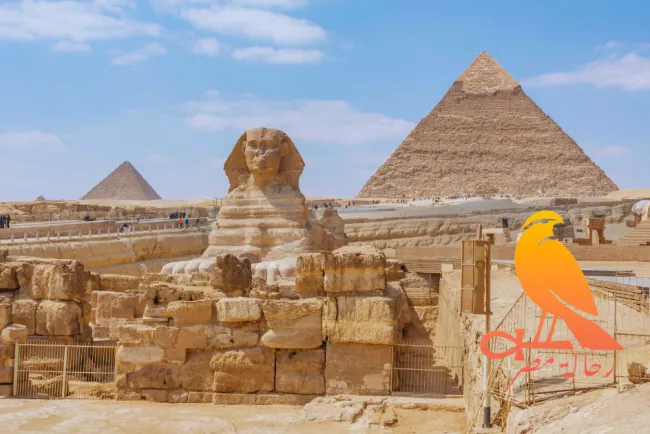
Ancient Egypt's pyramids are symbols of the Pharaohs' genius and dreams. These huge structures, built as tombs and monuments, have amazed people for thousands of years. From the famous pyramid artifacts at Giza to the hidden ancient egypt artifacts, they show the greatness and beliefs of a fascinating civilization.
Building the pyramids was a huge engineering achievement. Thousands of workers worked for decades to create them. The pyramids' alignment with stars, their detailed chambers, and massive size show the Pharaohs' desire for eternal life and their belief in the divine.
- The Great Pyramid of Giza, the biggest and oldest, is a true ancient wonder. It stands over 450 feet tall, the only one left from the Seven Wonders of the Ancient World.
- Many pyramid artifacts, like detailed carvings, fancy grave goods, and Pharaohs' mummies, have been found inside. They give us important clues about ancient Egypt's beliefs and customs.
- The pyramids were not just engineering marvels but also symbols. They showed the Pharaohs' link to gods and their hope for eternal life in the afterlife.
As we learn more about the ancient egypt artifacts in the pyramids, their lasting impact becomes even more fascinating. These towering monuments are a testament to the ambition, creativity, and spiritual views of a highly influential civilization.
Mummies: Unlocking the Secrets of the Afterlife
Ancient Egypt was deeply interested in the afterlife. This interest led to the practice of mummification. This process, filled with rituals and preservation, gives us a peek into their beliefs. The mummy artifacts, ancient Egypt artifacts, and Egyptian antiquities found in tombs reveal the mysteries of the afterlife.
Mummification Rituals
The mummification process in ancient Egypt was complex and symbolic. The body was prepared with organs removed and stored in canopic jars. The skin was coated with natron, a salt, to dry the body. This took up to 70 days, ensuring the body was preserved forever.
Royal Mummies and Their Treasures
The most famous mummies are those of ancient Egyptian pharaohs. These mummy artifacts were buried with many ancient Egypt artifacts and Egyptian antiquities. King Tutankhamun's tomb discovery in 1922 was a major breakthrough, showing the wealth of the young pharaoh's afterlife.
"The discovery of King Tutankhamun's tomb was a game-changer, unlocking the secrets of the ancient Egyptian afterlife in unprecedented detail."
Studying these royal mummies and their mummy artifacts, ancient Egypt artifacts, and Egyptian antiquities has given us great insights. Each find continues to fascinate scholars, showing the lasting legacy of ancient Egypt.
Hieroglyphs: The Written Language of the Pharaohs
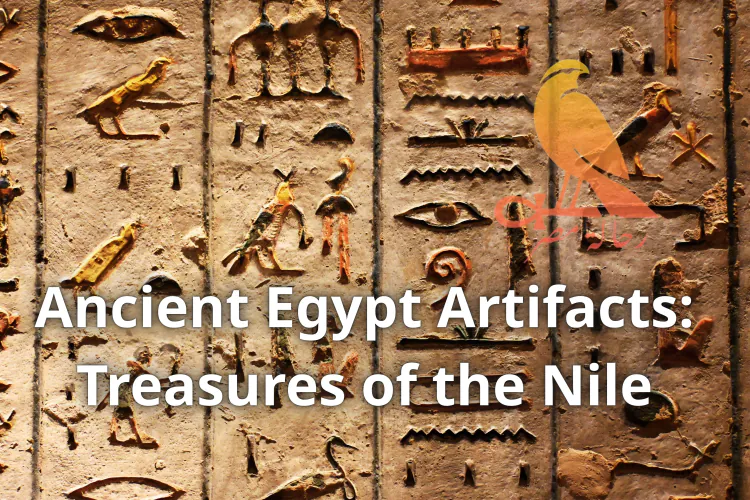
Hieroglyphic inscriptions are a fascinating part of ancient Egypt's history. They give us a peek into the culture of the Nile Valley. This writing system was not just for talking; it was full of symbols that told stories of beliefs, customs, and history.
Decoding the Hieroglyphic Script
Figuring out the hieroglyphic script was a big challenge. Scholars worked hard to crack the code. The discovery of the Rosetta Stone was a key moment. It helped them match the symbols with Greek and Demotic scripts.
- Hieroglyphs were a mix of sounds, ideas, and symbols, each with its own role.
- They were used for many things, like religion, government, and even daily life.
- Understanding hieroglyphs has given us a lot of insight into ancient Egyptian culture. These hieroglyphic inscriptions are truly precious ancient egypt artifacts.
As we keep studying these egyptian antiquities, the hieroglyphic script still fascinates us. It gives us a glimpse into the complex and rich world of ancient Egypt.
Temple Complexes: Architectural Marvels
Ancient Egypt's temple artifacts are truly amazing. They show the creativity and faith of the Nile Valley people. These ancient Egypt artifacts highlight the grand design and deep meaning of the temple complexes.
At the center of these sacred places were the temple artifacts. They included detailed statues, fancy columns, and complex hieroglyphics. These were ways to connect with the gods. The temples themselves were incredible feats of engineering, built with great care and filled with symbolism.
- The colossal columns of Karnak Temple, rising up to 70 feet tall, were designed to evoke the strength and stability of the natural world.
- The temple of Ramesses II at Abu Simbel featured towering statues of the pharaoh himself, projecting an aura of power and authority.
- The intricate carvings and paintings within these temple complexes depicted the complex mythological and religious beliefs of the ancient Egyptians.
These temple artifacts and architectural wonders show the ancient Egyptians' creativity and faith. They give us a peek into the rich culture of this remarkable civilization. They inspire awe and wonder in everyone who sees them.
Ancient Egypt Artifacts in Museums
The ancient artifacts of Egypt have amazed people for centuries. Museums worldwide now keep these archaeological treasures safe. From the famous Egyptian Museum in Cairo to global museum exhibits, these ancient egypt artifacts show us the rich history and culture of the Nile Valley.
The Egyptian Museum in Cairo
The Egyptian Museum in Cairo is at the heart of Egypt's culture. It has over 120,000 ancient egypt artifacts from the Pharaonic era. It's home to iconic pieces, like the treasures from Tutankhamun's tomb.
International Exhibitions and Collections
While Cairo's museum is key, the world wants more of these archaeological treasures. Many international shows and collections share ancient Egypt's wonders. The British Museum and the Louvre in Paris are among them, showing the Nile Valley's grandeur to all.
- The British Museum in London has a huge collection of Egyptian artifacts, including the famous Rosetta Stone.
- The Louvre in Paris has a vast array of Egyptian museum exhibits, like the Sphinx of Tanis and the statue of Ramses II.
- The Metropolitan Museum of Art in New York City has a famous collection of ancient Egyptian art and artifacts, including the iconic Temple of Dendur.
These museum exhibits and collections keep the ancient egypt artifacts safe for the future. They also inspire awe and wonder in visitors. This ensures ancient Egypt's legacy continues to amaze and teach the world.
Preserving Ancient Egypt Artifacts for Future Generations
The world's love for ancient Egypt is growing. This makes keeping its amazing artifacts safe very important. People like archaeologists, curators, and conservationists work hard to protect these ancient egypt artifacts. They want to make sure they stay in good shape for future people to see.
Keeping archaeological treasures safe is hard because they are so delicate. Things like papyrus scrolls and stone statues need special care. They must be kept in places with the right temperature and handled carefully to avoid damage.
There's also a big problem with how many ancient egypt artifacts there are. Museums can't always keep up with the number of items. This means they have to choose which ones to show and which to keep hidden.
To solve these problems, groups like the Egyptian Ministry of Antiquities and international organizations are working together. They have programs to keep Egypt's cultural treasures safe. These include:
- Setting up advanced labs to study and fix damaged artifacts
- Putting in place strong security to stop theft and damage
- Working with other countries to bring back ancient egypt artifacts that were taken without permission
- Creating new ways to store and show these archaeological treasures safely
Keeping ancient Egypt's legacy alive is a big job. But with hard work and new ways to care for artifacts, we can keep these treasures safe for the future. This way, people will always have something to marvel at and learn from.
| Preservation Techniques | Purpose |
|---|---|
| Climate-controlled storage | Protects artifacts from environmental damage |
| Meticulous handling protocols | Prevents physical damage during transportation and display |
| Conservation laboratories | Conducts scientific analysis and treatment of fragile artifacts |
| Security measures | Deters theft and vandalism of ancient egypt artifacts |
| Repatriation initiatives | Facilitates the return of illegally obtained archaeological treasures |
The Curse of the Pharaohs: Myth or Reality?
The ancient Egyptian pharaohs and their artifacts are full of mystery. The "curse of the pharaohs" has captured many people's imaginations. It says that disturbing their tombs and relics leads to bad luck or even death.
But is this myth true? Historians and scientists have looked into it. They want to know if there's truth behind the curses said to be linked to pharaonic artifacts.
Unraveling the Mysteries
One famous story is about Howard Carter, who found Tutankhamun's tomb in 1922. But, his death was probably from natural causes, not a curse.
People who touched pharaonic relics have gotten sick or had bad luck. But, it's because of natural things like harmful materials or diseases in the tombs.
Debunking the Myth
- Studies of mummies and artifacts show no curses or supernatural forces.
- Many who touched ancient egypt artifacts have lived long, happy lives.
- The curse idea has grown from media and popular culture, not facts.
The fascination with the curse of the pharaohs is still strong. But, science and history prove it's mostly a myth. As museum exhibits show off ancient Egyptian wonders, we should focus on their cultural and historical value.
ancient egypt artifacts: Uncovering the Past
The treasures of ancient Egypt still fascinate many. From famous Nile Valley artifacts to mysterious finds, each discovery offers new insights. These finds paint a vivid picture of this ancient world.
Archaeologists work hard to uncover and study these artifacts. They use advanced tech and careful methods. This work helps us understand the lives, beliefs, and traditions of the Pharaohs and their people.
The Rosetta Stone is a key find. It helped us read ancient Egyptian hieroglyphs. This stone, with texts in different languages, has been crucial in understanding ancient texts.
"Each new artifact we uncover is a window into the past, a tangible link to the vibrant and complex civilization that once thrived along the Nile."
Studying ancient Egypt's artifacts is more than just learning. It's about understanding and valuing their culture. As we explore the past, we admire the creativity, skill, and strength of the ancient Egyptians.
The pyramids and tomb paintings show the power of human spirit. By saving these artifacts, we keep the stories of the Nile Valley alive. They will continue to amaze and inspire people for years to come.
Treasures of Tutankhamun: The Boy King's Legacy
The discovery of Tutankhamun's tomb in 1922 by Howard Carter was a major breakthrough. It greatly improved our understanding of ancient Egypt. The many artifacts found in the young pharaoh's tomb have given us a deep look into his life and reign.
The golden mask and sarcophagus from Tutankhamun's tomb are truly remarkable. They show the skill and detail of ancient Egyptian craftsmen. These pieces have become symbols of the Pharaonic era's wealth and beauty, drawing people from all over to see them in museums.
The items found in Tutankhamun's tomb give us a rare peek into the life of ancient Egyptian royalty. There are elaborate jewelry, fancy furniture, and detailed tools and weapons. They reveal the lavish lifestyle of the young king and the complex funerary practices of the ancient Egyptians.
| Artifact | Significance |
|---|---|
| Golden Mask of Tutankhamun | Iconic symbol of ancient Egyptian art and the pharaonic legacy |
| Tutankhamun's Sarcophagus | Exquisitely decorated final resting place of the "Boy King" |
| Royal Jewelry and Accessories | Insight into the opulent lifestyle and rituals of ancient Egyptian royalty |
The finds in Tutankhamun's tomb have deeply influenced our view of ancient Egypt. They have also fascinated the public for many years. These artifacts continue to captivate and inspire, attracting visitors to museums and exhibitions worldwide.
The Significance of Ancient Egyptian Art
Ancient Egyptian art is incredibly significant. It gives us a glimpse into their beliefs, values, and traditions. From the stunning pyramids to the detailed hieroglyphics, their art is full of symbols and unique styles. These continue to fascinate and inspire people all over the world.
Symbolic Representation and Stylistic Conventions
Ancient Egyptian art was more than just pictures. It showed the heart and soul of their culture. The hieroglyphics on artifacts told stories, myths, and beliefs. They helped keep their rich heritage alive.
Their art had its own style, with frontal views and strict proportions. These choices were not just for looks. They carried deep meanings, showing their view of the world and their place in it.
| Artistic Element | Symbolic Meaning |
|---|---|
| Frontal Perspective | Represents the individual's connection to the divine and the afterlife |
| Profile Perspective | Depicts the individual's earthly existence and physical form |
| Grid System | Reflects the Egyptians' belief in order, balance, and harmony |
These symbols and styles were seen in big monuments and small artifacts. Each piece of art was full of meaning. It shows the creativity and richness of this amazing civilization.
The Rosetta Stone: Unlocking the Language of the Ancients
The Rosetta Stone is a key ancient Egyptian artifact. It has helped us understand the hieroglyphic inscriptions of ancient Egypt. This discovery has shed light on the history and culture of this ancient civilization.
Found in 1799 near Rosetta in the Nile Delta, the Rosetta Stone is a granite slab. It has inscriptions in hieroglyphic, demotic, and Greek scripts. The same text in these scripts helped scholars crack the hieroglyphic code, a mystery for centuries.
The inscription on the Rosetta Stone dates back to 196 BC. It's a decree from Egyptian priests honoring Ptolemy V. By comparing the hieroglyphic text with the Greek translation, scholars could understand the symbols and their meanings. This unlocked the language of the ancient Egyptians.
This discovery has greatly helped us understand ancient Egyptian artifacts and their inscriptions. The Rosetta Stone is now in the British Museum in London. It still fascinates and inspires visitors from all over.
| Artifact | Script | Language | Significance |
|---|---|---|---|
| Rosetta Stone | Hieroglyphic, Demotic, Greek | Ancient Egyptian, Greek | Enabled the decipherment of the hieroglyphic script, providing a key to understanding ancient Egyptian civilization |
"The Rosetta Stone is the most significant ancient egypt artifacts ever discovered, as it unlocked the secrets of the hieroglyphic script and opened a window into the rich cultural heritage of ancient Egypt."
The Rosetta Stone's impact on understanding ancient Egyptian civilization is huge. This artifact has not only revealed the language of the Pharaohs. It has also inspired many scholars, archaeologists, and enthusiasts to explore the mysteries of the Nile Valley.
The Influence of Ancient Egyptian Culture
The legacy of ancient Egypt is clear in today's architecture and design. The famous structures and unique looks of the Nile Valley have inspired many. They shape the look of cities and homes today.
Impact on Modern Architecture and Design
The pyramids, temples, and grand monuments of ancient Egypt have amazed the world. Architects have been inspired by their clean lines and shapes. This is seen in the big skyscrapers in New York and the simple, modern buildings in Europe.
The detailed art and symbols of ancient Egypt also influence today's design. You can see symbols like the lotus flower and the eye of Horus in furniture and decorations. These add a sense of timeless beauty and mystery to modern spaces.
FAQ
What are the most significant ancient Egyptian artifacts?
Where can one see ancient Egyptian artifacts?
How were ancient Egyptian mummies created?
What is the significance of hieroglyphic inscriptions?
How did the ancient Egyptians construct their monumental temples?
What is the "curse of the pharaohs" and is it real?
How are ancient Egyptian artifacts preserved for the future?
What is the significance of the Rosetta Stone?
How have ancient Egyptian artifacts influenced modern architecture and design?
What's Your Reaction?