Discover Al-Mu'izz Street: Cairo's Historic Gem
Explore Al-Mu'izz Street, Cairo's medieval marvel. Discover Islamic architecture, historic mosques, and vibrant markets in this UNESCO World Heritage site.
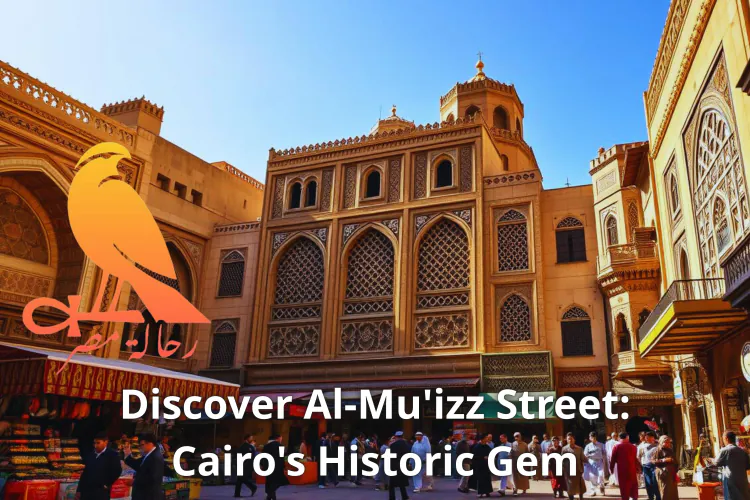
Discover Al-Mu'izz Street: Cairo's Historic Gem
Al-Mu'izz Street is in the heart of Old Cairo, Egypt. It's a key part of the city's Islamic history and the Fatimid dynasty's legacy. This medieval street is a UNESCO World Heritage site. It takes visitors on a journey through time, showing architectural wonders, lively markets, and cultural traditions.
But what secrets and stories hide in its alleys? Let's explore Al-Mu'izz Street together. It's Cairo's most precious gem.
Key Takeaways
- Al-Mu'izz Street is a renowned historic street in the heart of Old Cairo, Egypt.
- It showcases the city's rich Islamic heritage and the legacy of the Fatimid dynasty.
- The street is a UNESCO World Heritage site, recognized for its architectural marvels and cultural significance.
- Visitors can immerse themselves in the vibrant markets, medieval architecture, and enduring traditions that define this historic district.
- Exploring Al-Mu'izz Street offers a unique opportunity to discover the captivating essence of Cairo's past.
Exploring Al-Mu'izz Street: A Journey Through Medieval Cairo
Al-Mu'izz Street is a captivating gateway to Cairo's medieval past. It's one of the oldest and best-preserved parts of the historic city. Visitors can step back in time and dive into the legacy of the Fatimid dynasty.
The Fatimids ruled Egypt from the 10th to the 12th century. They left a lasting mark on Cairo's architecture and culture. Al-Mu'izz Street is a testament to their influence.
An Overview of Al-Mu'izz Street's Significance
Al-Mu'izz Street is a renowned historic street in medieval Cairo. It's lined with mosques, madrasas, and architectural wonders from the Fatimid era. Walking here, visitors can learn about Cairo's past and the Fatimid dynasty's achievements.
A Brief History of the Fatimid Dynasty and Its Legacy
The Fatimid dynasty ruled Egypt for over two centuries. They were a significant force in the Islamic world. During their reign, they built magnificent structures in medieval Cairo.
Al-Mu'izz Street showcases the Fatimids' architectural and cultural legacy. It highlights their attention to detail and commitment to creating a beautiful urban environment.
"Al-Mu'izz Street is a true gem of medieval Cairo, offering a rare glimpse into the grandeur of the Fatimid dynasty and the enduring cultural heritage of this remarkable city."
The Architectural Marvels of Al-Mu'izz Street
Al-Mu'izz Street in Cairo is a treasure trove of Islamic architecture. It features stunning mosques and madrasas that highlight the Fatimid dynasty's rich culture. Each structure is a work of art, with intricate details and grand designs.
Mosques and Madrasas: Islamic Architectural Gems
Walking along Al-Mu'izz Street, you'll see amazing mosques and madrasas. These buildings show the Fatimid's dedication to education and Islamic architecture. The Mosque of Al-Hakim and Madrasa of Sultan Barquq are just a few examples of their artistry.
The Fatimid caliphs loved the arts, and it shows in these buildings. The walls and ceilings are covered in beautiful calligraphy and designs. This mix of beauty and purpose is what makes Fatimid architecture so special.
| Mosque/Madrasa | Architectural Highlights | Historical Significance |
|---|---|---|
| Mosque of Al-Hakim | Unique domed structure, exquisite carved stone facades | One of the largest and most renowned mosques in Cairo, built during the Fatimid era |
| Madrasa of Sultan Barquq | Elaborate mosaics, intricate patterns, and calligraphic inscriptions | A renowned educational institution that played a vital role in the Fatimid's commitment to learning |
Exploring Al-Mu'izz Street takes you back in time. You'll see the lasting impact of the Fatimid dynasty on Islamic architecture in Egypt.
A Pedestrian's Paradise: Al-Mu'izz Street as a Car-Free Zone
Imagine walking through historic Cairo's heart, without car noise. Al-Mu'izz Street is now a pedestrian zone, a car-free haven. It lets visitors dive deep into the area's architecture and culture on this historic walking tour.
With no cars, Al-Mu'izz Street is a peaceful spot. You hear footsteps and people talking, not car sounds. This calm lets you see the mosques, madrasas, and old buildings up close.
- Stroll at a leisurely pace, free from the rush of traffic
- Admire the stunning Fatimid-era architecture without distraction
- Fully immerse yourself in the rich history and cultural legacy of Al-Mu'izz Street
Al-Mu'izz Street's car-free status makes it a special place. It turns this historic area into a pedestrian's paradise, where old and new meet.
"Walking through Al-Mu'izz Street is like stepping back in time, surrounded by the grandeur of the Fatimid era. The absence of cars allows you to fully immerse yourself in the history and architecture of this remarkable place."
Al-Mu'izz Street: A UNESCO World Heritage Site
Al-Mu'izz Street is in the heart of historic Cairo. It's a UNESCO World Heritage site, showing its cultural and historical value. This honor highlights its medieval Islamic design and architecture, giving a peek into the Fatimid Caliphate's legacy.
Understanding the Significance of UNESCO World Heritage Sites
UNESCO World Heritage sites are protected by international law. They are chosen for their cultural, historical, or scientific value. By naming Al-Mu'izz Street a UNESCO site, it's recognized as a key part of cultural preservation in historic Cairo.
This recognition celebrates the street's architecture and its global importance. It shows how unesco world heritage sites protect our world's treasures.
Visitors to Al-Mu'izz Street see the Fatimid-era monuments and feel the medieval vibe. They learn about UNESCO's role in saving our cultural heritage for all to enjoy.
"Al-Mu'izz Street is a living museum, a testament to the enduring legacy of the Fatimid Caliphate and the importance of preserving our collective cultural heritage."
Exploring the Historic District of Al-Mu'izz Street
Al-Mu'izz Street is the heart of Old Cairo's historic district. It's a lively area that shows the city's rich medieval cairo history. Around this street, you'll find old mosques, madrasas, markets, and workshops. These places give a full view of Cairo's culture, architecture, and society.
The historic district of Old Cairo is full of cultural tourism spots. You can walk through narrow alleys and see ancient buildings, workshops, and markets. Places like the Mosque of Al-Hakim and Khan el-Khalili bazaar tell the city's history in every corner.
Exploring this area lets you see the city's traditions up close. You can watch artisans make metalwork, textiles, and pottery. You can also see the spice and perfume markets in action. These experiences connect you to Cairo's past and its lasting legacy.
"Wandering through the historic district of Old Cairo is like stepping back in time. The sights, sounds, and scents transport you to a bygone era, where the past and present seamlessly intertwine."
By exploring more than just Al-Mu'izz Street, you get a deeper understanding of medieval cairo. This journey through alleys and hidden spots lets you connect with Cairo's heritage and traditions. It's a unique way to see the city's history and culture.
Al-Mu'izz Street: An Open-Air Museum of Medieval History
Walking down Al-Mu'izz Street in Cairo feels like a journey back in time. This historic street is like an open-air museum, showing the legacy of the Fatimid Caliphate. It lets visitors dive into medieval history, seeing the amazing buildings and learning about the Fatimids' big impact on Islamic art, literature, and science.
Immersing in the Fatimid Caliphate's Cultural Legacy
The Fatimid Caliphate ruled Egypt and parts of North Africa from the 10th to the 12th century. As you walk Al-Mu'izz Street, you see the legacy of this dynasty. You'll see beautiful calligraphy on mosque walls and stunning madrasa facades.
- Discover the captivating history of the Fatimid Caliphate, whose reign ushered in a golden age of Islamic culture and scholarship.
- Explore the architectural gems that line Al-Mu'izz Street, marveling at the exquisite craftsmanship and attention to detail that define Fatimid-era structures.
- Gain a deeper appreciation for the Fatimids' contributions to the region's cultural legacy, which continue to shape the identity of modern-day Cairo.
Exploring Al-Mu'izz Street lets visitors truly understand its importance. It's a place where history comes alive, showing the lasting impact of the Fatimid Caliphate's culture.
Planning Your Visit to Al-Mu'izz Street
Visiting the historic al-mu'izz street in Cairo needs some planning. Knowing the street's layout and how to navigate the markets is key. These tips will help you enjoy your historic walking tour on this medieval street.
Tips for Navigating and Enjoying the Historic Street
- Learn the street's layout before you go. This will help you navigate cairo and find important spots.
- Wear comfy, sturdy shoes for walking on the old cobblestone streets.
- Get ready for the lively crowds and the hustle of the markets.
- Think about joining a guided tour or using a self-guided app. They can help you discover Al-Mu'izz Street's rich history and hidden treasures.
- Take breaks to enjoy the atmosphere and see the amazing architecture.
- Carry cash in small amounts for shopping and eating at local spots.
By following these tips, you'll be ready to explore al-mu'izz street. You'll uncover the fascinating stories and history of this historic walking tour in Cairo's heart.
"Exploring Al-Mu'izz Street is like stepping back in time, where the grandeur of the Fatimid Caliphate's architectural legacy is brought to life."
The Best Time to Visit Al-Mu'izz Street
Visiting Al-Mu'izz Street in Cairo is a thrilling adventure. The best time to go depends on what you like and what you want to see. The cooler months, like fall and winter, are the best. The weather is nice, and there are fewer people around.
But, the street is especially lively during Ramadan. The markets and cultural events make it a special place. You'll see colorful lanterns and smell traditional Egyptian food. It's a great way to dive into the city's seasonal attractions.
"The best time to visit Al-Mu'izz Street is when you can fully embrace the rich culture and history of the area, whether it's during the cooler months or the lively celebrations of Ramadan."
No matter the season, Al-Mu'izz Street is a top spot for Cairo tourism. Its old buildings, lively markets, and cultural importance make it a must-see in the city.
Cultural Tourism on Al-Mu'izz Street
Al-Mu'izz Street is in the heart of historic Cairo. It offers a deep dive into the city's vibrant heritage and traditions. Visitors can engage with local artisans and try authentic cuisine, making their trip unforgettable.
Experiencing Cairo's Rich Heritage and Traditions
Walking down Al-Mu'izz Street feels like stepping back in time. You're surrounded by cairo heritage that has shaped the city. Artisans work on metalwork, pottery, and textiles, showing off the region's local traditions.
Visiting these markets lets you meet locals, learn about their crafts, and dive into Cairo's cultural scene.
- Witness the art of glassblowing, calligraphy, and other traditional crafts
- Explore the vibrant marketplaces and sample authentic Egyptian cuisine
- Participate in cultural activities and workshops to deepen your understanding of the city's heritage
For a real, immersive experience, Al-Mu'izz Street is the place to be. It lets you connect with the local community and experience Cairo's cairo heritage and local traditions. You'll leave with memories and a newfound appreciation for this historic spot.
"Al-Mu'izz Street is not just a historic site, but a living, breathing testament to the rich cultural heritage of Cairo. A stroll along its bustling alleyways is a true immersion in the heart and soul of this remarkable city."
Walking Tours: Unveiling the Secrets of Al-Mu'izz Street
Exploring Al-Mu'izz Street in Cairo is a thrilling adventure. Joining a guided walking tour is a great way to discover its hidden treasures. These tours, led by local experts, offer a deep dive into the street's history, architecture, and culture.
Whether you love history, architecture, or just want to learn about Cairo's past, these tours are perfect. As you walk through markets and admire mosques, your guide will share stories that make history come alive. You'll learn secrets of this UNESCO World Heritage site.
Walking tours of Al-Mu'izz Street are the best way to discover historic Cairo and uncover its medieval secrets. They're ideal for those interested in walking tours or exploring historic Cairo. This experience is a must-see.
One tour highlight is seeing the stunning mosques and madrasas along the street. Your guide will explain their architecture, designs, and history. This lets you appreciate the Fatimid legacy in this lively area.
| Walking Tour Highlights | Duration | Price |
|---|---|---|
| Comprehensive Al-Mu'izz Street Tour | 2-3 hours | $25 - $35 per person |
| Focused Mosque and Madrasa Tour | 1-2 hours | $15 - $25 per person |
| Private Customized Tour | Flexible | Varies |
Choose a full tour or focus on the architectural wonders. A walking tour of Al-Mu'izz Street is unforgettable. Book your tour today for a journey through time that will enrich your appreciation for Cairo's heritage.
Exploring the Medieval Streets of Cairo
Al-Mu'izz Street is just the start of Cairo's historic heart. The city's medieval streets are a maze of charm and history. They show the lasting impact of the Fatimid, Ayyubid, and Mamluk dynasties on historic Cairo.
Walking through Cairo's medieval streets feels like time travel. Every corner reveals a new piece of cultural heritage. You'll see stunning mosques, madrasas, and lively markets filled with artisans and merchants.
"Exploring the medieval streets of Cairo is like unlocking the secrets of a bygone era, where the echoes of history whisper from every corner."
As you explore, the city's rich history and culture will enchant you. You'll see towering minarets and detailed buildings. Each step takes you closer to when historic Cairo was a hub of Islamic learning and art.
- Discover hidden courtyards and alleyways that offer a glimpse into the daily lives of the city's residents
- Marvel at the stunning Mamluk and Fatimid architecture that line the streets
- Immerse yourself in the bustling energy of the local markets, where traditional crafts and delicacies abound
Whether you love history, architecture, or just the charm of old times, Cairo's medieval streets are a must-see. They will touch your heart and mind in unforgettable ways.
Al-Mu'izz Street: A Highlight of Islamic Architecture in Egypt
Al-Mu'izz Street is a top spot for those who love Islamic architecture in Egypt. It's filled with old mosques, madrasas, and other historic buildings. These show the amazing work and design of the Fatimid era, making it like an open-air museum.
Visiting Al-Mu'izz Street lets people see the lasting impact of Islamic art and culture in Cairo. The Fatimid-era buildings here show the beauty and detail of Islamic architecture from that time.
Every building on Al-Mu'izz Street tells a story of skill and creativity. The mosques have beautiful calligraphy and designs, while the madrasas blend form and function perfectly. Exploring this area lets visitors dive into the rich Islamic architecture that has shaped Egypt's culture.
FAQ
What is the significance of Al-Mu'izz Street in Cairo?
What are the architectural marvels along Al-Mu'izz Street?
Why is Al-Mu'izz Street a pedestrian's paradise?
Why is Al-Mu'izz Street considered a UNESCO World Heritage site?
How can visitors explore the historic district surrounding Al-Mu'izz Street?
How can visitors best experience the cultural legacy of the Fatimid Caliphate on Al-Mu'izz Street?
What are some tips for planning a visit to Al-Mu'izz Street?
What is the best time of year to visit Al-Mu'izz Street?
What cultural experiences can visitors have on Al-Mu'izz Street?
How can visitors explore the medieval streets of Cairo beyond Al-Mu'izz Street?
Why is Al-Mu'izz Street a highlight of Islamic architecture in Egypt?
What's Your Reaction?