Discover the World of NFTs: Digital Art Revolution
Explore the dynamic world of NFTs, revolutionizing digital art and collectibles. Learn how these unique blockchain tokens are reshaping ownership in the digital age.
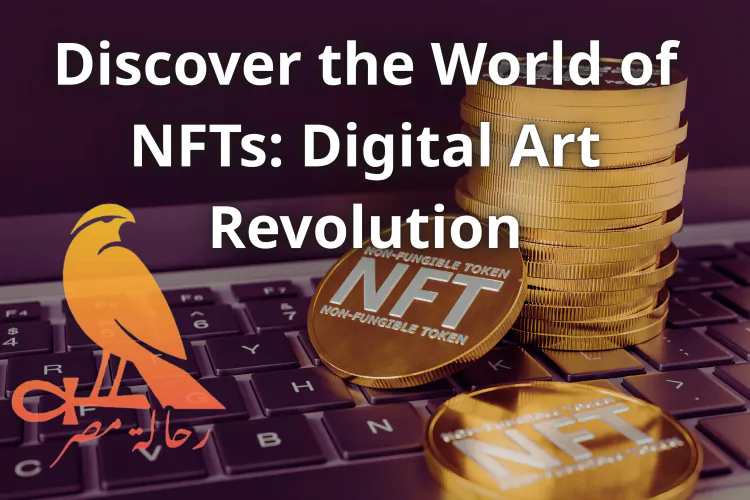
Discover the World of NFTs: Digital Art Revolution
A new wave of innovation is changing the art world – Non-Fungible Tokens (NFTs). These unique digital assets are based on blockchain technology. They are changing how we think about owning, scarcity, and value in the digital world. But what are NFTs, and how are they changing digital art?
As the digital art world evolves, a big question arises: Are NFTs the future of art and collectibles, or just a trend? Explore the world of NFTs and see how they are changing our view of digital creations.
Key Takeaways
- NFTs are unique, blockchain-based digital assets that represent ownership of digital items, including art, collectibles, and virtual world items.
- The rise of NFTs has revolutionized the digital art industry, providing artists and creators with new ways to sell and monetize their work.
- Blockchain technology and the concept of digital scarcity are the foundation of the NFT ecosystem, enabling the creation of one-of-a-kind digital assets.
- The NFT marketplace has experienced rapid growth, with platforms like OpenSea and Rarible facilitating the buying and selling of these digital assets.
- NFTs are not just limited to the art world – they are also finding applications in the gaming industry, the metaverse, and various other sectors.
What are NFTs?
Non-fungible tokens, or NFTs, are changing the digital world. They offer a new way to own things online. Unlike regular money, NFTs are unique and can't be swapped for something else.
Understanding Non-Fungible Tokens
NFTs are special digital items stored on a blockchain. This is a secure digital ledger. Each NFT is unique, showing ownership of something like art or virtual land. This makes NFTs stand out, offering a new kind of value in the digital world.
Blockchain Technology and Digital Ownership
The blockchain is key to NFTs. It keeps track of who owns what, making sure everything is real and rare. This technology is changing how we see and value digital ownership. It's making us rethink what it means to own something online.
The Rise of Crypto Art
In the world of digital art, a new genre has caught everyone's eye – crypto art. It uses non-fungible tokens (NFTs) to create a new kind of digital scarcity and value. This changes how we see and interact with virtual collectibles.
Digital Scarcity and Virtual Collectibles
The growth of crypto art is based on digital scarcity. Unlike regular digital art, NFTs make each piece unique. This lets artists sell their work like physical art, and collectors buy rare virtual collectibles.
This movement has created a world of digital artists, curators, and platforms. They help make, sell, and trade these unique digital pieces. From digital paintings to interactive sculptures, crypto art is endless and exciting.
| Top Crypto Art Platforms | Notable Crypto Art Sales |
|---|
- SuperRare
- Nifty Gateway
- OpenSea
- Rarible
- Beeple's "Everydays: The First 5000 Days" - $69.3 million
- CryptoPunk #7523 - $11.8 million
- Larva Labs' "CryptoPunk" collection - $150 million in total sales
The crypto art world is growing fast. It shows how blockchain technology can change things. It also highlights the endless possibilities of digital scarcity and virtual collectibles.
NFTs and the Metaverse
The metaverse is a new concept of virtual worlds that connect. It brings new chances for non-fungible tokens (NFTs). NFTs can be digital assets that show ownership and realness in these worlds.
NFTs help make digital items scarce. Unlike regular digital items, NFTs have a unique ownership proof. This makes virtual items rare and valuable. They can be special experiences, rare virtual collectibles, or even virtual land.
NFTs can also stand for many digital things in the metaverse. This includes virtual art, fashion, in-game items, and virtual land. These NFT-backed items can be traded, bought, and sold. This opens new doors for creators, collectors, and investors.
| Potential NFT Use Cases in the Metaverse | Description |
|---|---|
| Virtual Art and Collectibles | NFTs can represent unique digital artworks, virtual collectibles, and limited-edition items that can be displayed and traded within the metaverse. |
| Virtual Land and Real Estate | NFTs can be used to represent ownership of virtual land parcels, allowing users to acquire, develop, and monetize virtual real estate within the metaverse. |
| In-Game Assets and Items | NFTs can be used to represent in-game items, such as virtual weapons, costumes, or resources, that can be owned, traded, and used across different metaverse platforms. |
| Virtual Identity and Avatars | NFTs can be used to represent unique digital identities, avatars, and personas that can be customized and used within the metaverse. |
As the metaverse grows, NFTs will be key in shaping its future. They will help create new economic models, ways for creative expression, and immersive experiences for users.
Ethereum and Smart Contracts
Ethereum is at the core of the booming NFT world. It's a blockchain leader that changed digital ownership. Its smart contract tech makes it easy to create, manage, and trade NFTs.
Smart contracts are key to the NFT world. They are digital agreements that run on Ethereum. They help artists, creators, and collectors own their work, set royalties, and automate deals. All this happens in a transparent and unchangeable way on the blockchain.
The Role of Ethereum in the NFT Landscape
Ethereum's blockchain is home to most NFT projects. It offers a safe and open space for minting, buying, and selling unique digital items. Its smart contracts open up new possibilities, like shared ownership and programmable art.
- Ethereum's smart contracts make NFTs, ensuring clear and safe ownership.
- The Ethereum blockchain is a secure place for trading NFTs, creating a lively digital market.
- Ethereum's growth and connection with other systems are key for the NFT world's future.
Ethereum's role in the NFT world is clear. Its smart contracts and blockchain tech are the base for digital ownership and the metaverse's future.
The NFT Marketplace
The NFT marketplace is a growing place for digital art and collectibles. It's a space where people and artists can buy and sell unique digital items. These online platforms make it easy and safe to trade NFTs, or non-fungible tokens.
Buying and Selling Digital Assets
Exploring the NFT marketplace is thrilling for those who love digital art, music, and more. Buyers can find a variety of NFTs, each with its own special features and value. They can pay with cryptocurrencies or regular money. Creators can also sell their digital works, reaching people all over the world and making money.
Here's how you can buy and sell NFTs:
- Choose a trusted NFT marketplace like OpenSea, Rarible, or SuperRare, and sign up.
- Put money in your digital wallet with Ethereum, the usual cryptocurrency for these deals.
- Look through the marketplace for NFTs that catch your eye, like unique digital art or rare in-game items.
- Make a bid or buy order for the NFT you want, and wait for it to be checked and added to the blockchain.
- For sellers, turn your digital creation into an NFT and list it, setting the price and any extra rules.
The NFT marketplace has changed how we see and deal with digital assets. It opens up new possibilities for creators, collectors, and investors to dive into the exciting world of this new technology.
NFTs: Revolutionizing the Art World
The art world is changing fast, thanks to NFTs (Non-Fungible Tokens). These unique digital assets let artists make money in new ways. They also give collectors new chances to find and invest in digital art.
NFTs make digital art special by allowing for one-of-a-kind pieces. These can be verified, traded, and sold on the blockchain. This change helps artists who had trouble selling their digital work before.
Beeple's rise to fame is a big example of this change. In 2021, his NFT "Everydays: The First 5000 Days" sold for $69 million at Christie's. This event showed how valuable NFTs can be in the art world.
| NFT Art Sales | 2020 | 2021 | 2022 |
|---|---|---|---|
| Total Sales Volume | $250 million | $2.5 billion | $4.1 billion |
| Average Price per NFT | $1,500 | $3,800 | $5,200 |
The NFT art market is growing fast. It's clear that NFTs are here to stay, changing the art world. They offer artists new ways to share their work and collectors new investment options. NFTs are set to change the future of art and digital creativity.
The Future of NFTs
The future of NFTs looks bright, with uses beyond digital art and collectibles. Experts see NFTs changing industries like finance and real estate. They could bring new opportunities to many fields.
Potential Applications
NFTs might change how we handle digital identity and assets. They could securely store personal data and documents. This could make identity verification and ownership rights easier in the digital world.
In supply chain management, NFTs could track goods' origins and journeys. This would add transparency and help fight counterfeiting. It could also improve product quality and trust among consumers.
Challenges and Limitations
Despite their promise, NFTs face challenges. The energy needed for blockchain technology is a big concern. As NFTs grow in popularity, finding ways to reduce their environmental impact is key.
The regulatory landscape for NFTs is still unclear. Policymakers are figuring out how to tax them and protect investors. Overcoming these regulatory hurdles is essential for NFTs to become widely accepted.
The future of NFTs is full of possibilities. But, the industry must tackle the challenges and limitations to reach its full potential.
NFTs and Copyright
The rise of NFTs (Non-Fungible Tokens) has changed the digital art world. It has also raised complex questions about copyright and intellectual property rights. As NFTs become more popular, understanding their legal side is key.
One big concern with NFTs is digital ownership. When an artist makes a digital artwork and turns it into an NFT, they give a unique certificate to the buyer. But this doesn't mean the buyer owns the copyright to the artwork.
Usually, the creator of the digital artwork still owns the copyright. They can make more copies, share, or sell more of the work. This can lead to confusion and fights between the NFT owner and the copyright holder.
To tackle these issues, some artists and platforms are looking into new models of licensing and royalty sharing for NFTs. They're using smart contracts to make sure the original creator gets a cut of future sales.
- Setting clear rules for who owns and can use NFTs
- Creating guidelines for giving credit to digital artists
- Trying out new licensing ways that help both creators and buyers
As the NFT market grows, figuring out the mix of digital art, copyright, and intellectual property rights is vital. It's important for the future of this new field.
Creating and Minting NFTs
In the world of non-fungible tokens (NFTs), making your own digital items is easier than ever. If you're into art, design, or just starting out, this guide will help you. It shows how to turn your digital creations into real tokens on the blockchain.
Choosing the Right Platform
First, pick the right place to mint your tokens. Sites like OpenSea, Rarible, and SuperRare on Ethereum are popular. Each has its own features and communities. Look for the one that matches your style and audience best.
Preparing Your Digital Assets
Make sure your digital items, like art or music, are in the right formats. JPEG, PNG, GIF, or MP4 are common. Also, make them small to save on minting costs and improve viewing.
Connecting Your Crypto Wallet
To mint your NFTs, link a crypto wallet like MetaMask to your chosen platform. This keeps your digital assets safe and easy to manage.
Minting Your NFTs
With everything ready, start minting. Upload your files, add details, and choose your blockchain and payment options. Check the platform's rules and costs for a smooth process.
Making and minting NFTs is a thrilling adventure for digital creators. It lets you share your work and earn from it. This guide will help you dive into the exciting world of NFTs.
The Environmental Impact of NFTs
Non-fungible tokens (NFTs) are getting more popular, but their environmental impact worries many. The energy needed for blockchain technology, which supports NFTs, raises questions about sustainability. This is especially true in the art and digital collectibles world.
The main issue is the energy used for mining and minting NFTs. The Ethereum blockchain, where most NFTs are traded, uses a lot of energy. This is because it needs complex processes to validate transactions and keep the network running.
- Studies show Ethereum's energy use is like that of small countries. It uses between 44.94 TWh and 113.89 TWh of energy each year.
- This energy use leads to a lot of carbon emissions. This makes the environmental impact of NFTs worse.
But, there are efforts to make NFTs more sustainable. Ethereum and other blockchain networks are looking into using less energy. For example, Ethereum 2.0 is expected to cut down on energy use a lot.
Some NFT projects are also trying to reduce their carbon footprint. They are investing in renewable energy or supporting green initiatives. As the NFT world grows, making these digital assets more sustainable will become even more important.
"The environmental impact of NFTs is a complex issue that requires a multifaceted approach, involving collaboration between blockchain networks, NFT creators, and the broader digital art community."
In summary, the environmental impact of NFTs is a big concern that needs to be tackled. As the industry expands, finding ways to make NFTs sustainable is key. This will help balance the excitement of NFTs with protecting our planet.
Investing in NFTs
The world of non-fungible tokens (NFTs) has opened up a new frontier for investors. It's a chance to diversify their portfolios. Understanding the risks and rewards of NFTs is key. This section explores the intricacies of investing in NFTs, including market trends and valuation.
Navigating the NFT Investment Landscape
The NFT market has grown fast, with over $2.5 billion in sales in the first half of 2021. This growth has led to many NFT projects. Investors need to evaluate the value, scarcity, and growth potential of NFTs carefully.
Risks and Challenges of Investing in NFTs
Investing in NFTs can be rewarding, but it's not without risks. The market is volatile, and there's a lack of regulation. Fraud is also a concern. Valuing digital art and collectibles can be subjective, making it hard to determine their true worth.
Maximizing Returns: Strategies for Successful NFT Investing
To succeed in NFT investing, consider these strategies:
- Diversify your NFT portfolio across different genres and asset types to minimize risk.
- Conduct thorough research on the NFT project, the artist or creator, and the broader market trends.
- Monitor the secondary market for opportunities to buy and sell NFTs at favorable prices.
- Stay informed about regulatory changes and industry developments that could impact the value of your NFT investments.
By using a balanced and informed strategy, investors can navigate risks and potentially reap rewards in this evolving digital landscape.
| Key Factors to Consider When Investing in NFTs | Potential Risks | Potential Rewards |
|---|
- Underlying value and scarcity of the NFT
- Artist or creator's reputation and track record
- Market demand and trends
- Liquidity and secondary market activity
- Volatility and price fluctuations
- Lack of regulatory oversight
- Potential for fraud and scams
- Subjectivity in valuation
- Significant capital appreciation
- Diversification of investment portfolio
- Ownership of unique digital assets
- Participation in the growing NFT ecosystem
NFTs in the Gaming Industry
The gaming world is seeing a big change with NFTs (Non-Fungible Tokens). These unique digital assets are changing how gamers own and trade in-game items. This opens up new ways for game makers to make money and keep players interested.
NFTs let players own and trade virtual things like character skins and weapons. They use blockchain tech to make sure these items are real and rare. This means players can buy, sell, or even use them as collateral in DeFi apps.
The possibilities for NFTs in gaming are huge. Game creators can make special in-game items that players can buy. This not only makes more money for the developers but also makes players feel special and proud of their unique items.
| Game | NFT Feature | Benefits |
|---|---|---|
| Axie Infinity | Unique Axie creatures as NFTs | Player ownership, in-game economy, and play-to-earn model |
| CryptoKitties | Collectable virtual cats as NFTs | Scarcity, tradability, and digital asset ownership |
| The Sandbox | Virtual land, assets, and avatars as NFTs | Customization, monetization, and user-generated content |
As gaming keeps growing, NFTs will change the game. They give players real digital ownership and create new ways for gamers and developers to make money.
Conclusion
The world of digital art has seen a big change with the rise of NFTs. This change helps both artists and collectors. We've looked into how Non-Fungible Tokens work, their effect on art, and their role in other digital fields.
We've learned about the blockchain technology behind NFTs. We also explored digital scarcity and virtual collectibles. The metaverse is becoming a key area where NFTs will help create and own digital assets.
Looking ahead, NFTs could change more than just art. They might also impact gaming, real estate, and music. Despite challenges like environmental issues and rules, NFTs' future looks bright. We can expect more growth and use of NFTs soon.
FAQ
What are NFTs?
How do NFTs work?
What is the difference between NFTs and cryptocurrencies?
How do I create and mint an NFT?
Where can I buy and sell NFTs?
What are the environmental concerns surrounding NFTs?
What are the potential applications of NFTs beyond the art and collectibles industry?
What are the risks and challenges associated with investing in NFTs?
What's Your Reaction?