Pharaoh Tomb Treasures: Ancient Egypt's Hidden Riches
Explore the mesmerizing world of pharaoh tomb treasures, from golden sarcophagi to priceless artifacts. Uncover ancient Egypt's buried riches and royal legacy.
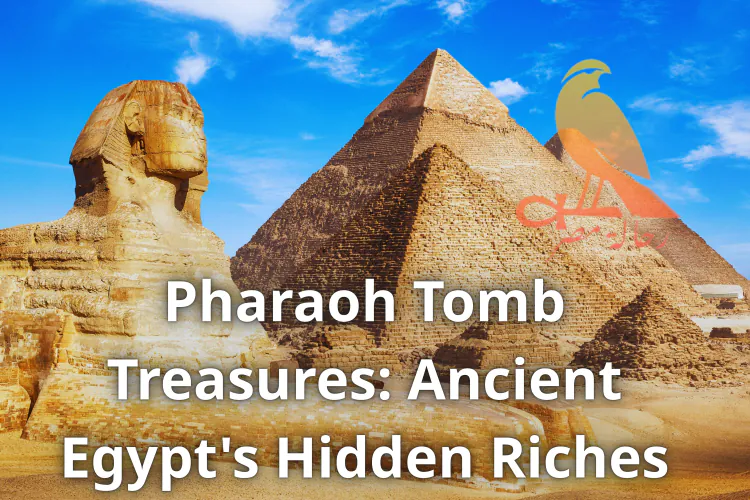
Pharaoh Tomb Treasures: Ancient Egypt's Hidden Riches
Imagine stepping back in time to ancient Egypt's opulent world. What secrets hide in the pharaohs' elaborate tombs? We explore the treasures of pharaoh tombs, revealing the hidden riches and legacy that have fascinated us for centuries.
This article takes you on a journey through ancient Egypt's history. You'll see golden sarcophagi and priceless artifacts that show us the lives of Egyptian pharaohs. Get ready to travel back in time to an era of lavish burial practices and the lasting allure of Egyptian royalty.
Key Takeaways
- Discover the allure of ancient Egyptian artifacts and the priceless treasures found in pharaoh tombs.
- Explore the legendary burial sites and the opulent resting places of the Egyptian royalty.
- Uncover the secrets hidden within the hieroglyphs and iconography of the tomb artifacts.
- Learn about the challenges and techniques involved in excavating and preserving these ancient relics.
- Delve into the enduring mystique and legends surrounding the "Curse of the Pharaohs."
But what's behind the glittering treasures of pharaoh tombs? What do they tell us about ancient Egypt's daily life, beliefs, and culture? Join us on this journey to uncover hidden riches, mysteries, and the lasting legacy of the Egyptian pharaohs.
The Allure of Ancient Egyptian Artifacts
For centuries, ancient Egyptian artifacts have amazed people worldwide. These antiquities give us a peek into the rich culture and history of Egyptian royalty. Each piece, from pharaoh tomb treasures to hieroglyphics, shows the ancient Egyptians' skill and creativity.
Priceless Antiquities from a Bygone Era
The charm of ancient Egyptian artifacts comes from their rarity and importance. These priceless antiquities have made it through time, connecting us to ancient Egypt. Each item, like statues or tapestries, opens a window to the past, exciting scholars and the public.
The Enduring Fascination with Egyptian Royalty
- The legacy of Egyptian royalty still fascinates people globally, with pharaoh tomb treasures showing their power and wealth.
- The discovery of Tutankhamun's tomb in the 1920s sparked a new interest in ancient Egyptian culture. It made the world obsessed with these ancient Egyptian artifacts.
- The pharaoh tomb treasures have amazed everyone, from the lavish burial chambers to the detailed funerary art. They've inspired many books, films, and exhibitions about ancient Egypt.
The charm of ancient Egyptian artifacts shows the lasting impact of history. These priceless antiquities still captivate and inspire, giving us a look into the world of Egyptian royalty and their treasures.
Uncovering the Treasures of Tutankhamun's Tomb
In 1922, the world was amazed by the discovery of Tutankhamun's tomb. This young pharaoh's tomb, untouched for over 3,000 years, showed a wealth of Tutankhamun's grave goods. These goods gave us a peek into the lavish life and burial customs of ancient Egyptian royalty.
British archaeologist Howard Carter's find was a major breakthrough. It revealed the pharaoh tomb treasures and ancient Egyptian artifacts hidden for millennia. The incredible craftsmanship and volume of artifacts found in Tutankhamun's chamber amazed everyone. It sparked a deep interest in Egypt's ancient mysteries.
Some of the most striking finds were the golden sarcophagus, detailed funerary furniture, and many personal items. These included:
- Elaborate jewelry and ornaments
- Ceremonial weapons and tools
- Beautifully decorated chariots
- Thousands of carefully preserved ritual objects
The discovery of Tutankhamun's tomb and its treasures gave us a glimpse into the lives of ancient Egyptian royalty. It also offered insights into their beliefs and practices around death and the afterlife.
| Artifact | Description |
|---|---|
| Golden Sarcophagus | The pharaoh's iconic coffin, adorned with intricate designs and hieroglyphics |
| Funerary Furniture | Ornate chairs, beds, and tables used in the pharaoh's burial rituals |
| Personal Belongings | A vast array of jewelry, weapons, and everyday items that accompanied the pharaoh in the afterlife |
"The discovery of Tutankhamun's tomb was a watershed moment in the study of ancient Egyptian history and culture. The wealth of artifacts and insights it provided has captivated scholars and the public alike for decades."
The discovery of Tutankhamun's tomb and its pharaoh tomb treasures has greatly influenced our understanding of ancient Egypt. It has inspired many more explorations and studies into this fascinating civilization.
The Valley of the Kings: A Necropolis of Riches
In the heart of ancient Thebes, the Valley of the Kings is a treasure trove. It was the final home for many pharaohs and their treasures. This place, in Egypt's Nile Valley, has always fascinated people with its pharaoh tomb treasures and royal mummies.
Legendary Burial Sites of Pharaohs
The Valley of the Kings is filled with Valley of the Kings discoveries. Each tomb shows the power and wealth of the pharaohs. The Tomb of Tutankhamun, with its golden treasures, is famous. But there are also other tombs, like those of Ramses the Great and Amenhotep III, that are just as impressive.
For years, archaeologists have been digging and studying these pharaoh tomb treasures. They've learned a lot about the pharaohs and their people. The royal mummies found in the tombs have given us clues about the pharaohs' health and how they died.
| Tomb | Pharaoh | Significant Discoveries |
|---|---|---|
| KV62 | Tutankhamun | The intact and well-preserved tomb, containing a vast array of funerary treasures, including the iconic golden death mask. |
| KV7 | Ramses II | The largest and most well-known tomb in the Valley of the Kings, featuring intricate wall paintings and numerous artifacts. |
| KV35 | Amenhotep II | The discovery of several royal mummies, including that of the pharaoh, providing valuable insights into ancient Egyptian burial practices. |
The Valley of the Kings discoveries still excite scholars and the public. They give us a peek into the lavish and mysterious world of ancient Egyptian royalty.
Golden Sarcophagi: Opulent Resting Places
The ancient Egyptian pharaohs were known for their lavish funerary practices. Their golden sarcophagi show the grandeur of their civilization. These artifacts, with intricate designs and symbols, give us a peek into ancient Egyptian culture.
Craftsmanship and Symbolism in Ancient Funerary Art
The golden sarcophagi were true masterpieces of ancient Egyptian art. Made with great care, they featured hieroglyphics, gods, and symbols important to the Egyptians. These designs honored the pharaohs and helped them on their journey to the afterlife.
| Artifact | Material | Symbolism |
|---|---|---|
| Tutankhamun's Sarcophagus | Solid gold | Intricate depictions of the pharaoh, Egyptian gods, and funerary imagery |
| Ramses II's Sarcophagus | Gilded wood | Detailed hieroglyphic inscriptions and representations of the pharaoh's divine lineage |
| Neferkare's Sarcophagus | Gold-plated limestone | Symbols of eternal life, including the ankh and the scarab beetle |
The golden sarcophagi show the skill and spiritual depth of ancient Egyptian artisans. They highlight the pharaohs' importance in their society. These treasures still amaze us, offering a glimpse into ancient Egypt's rich legacy.
Royal Mummies: Eternal Guardians of the Tombs
The ancient Egyptian pharaohs were seen as gods. Their tombs and treasures amazed the world. The royal mummies are the preserved bodies of these rulers. They guard the pharaoh tomb treasures and ancient Egyptian artifacts they were buried with.
These mummies give us a peek into the lives of ancient Egypt's elite. Scientists have learned a lot about these rulers. They know about their health, how they died, and more.
| Mummy | Pharaoh | Tomb | Significance |
|---|---|---|---|
| Tutankhamun | Tutankhamun | KV62 | One of the most famous and well-preserved royal mummies, shedding light on the life and death of the young pharaoh. |
| Ramses II | Ramses the Great | KV7 | The mummy of one of ancient Egypt's most powerful and long-reigning pharaohs, offering insights into his health and legacy. |
| Seti I | Seti I | KV17 | The well-preserved mummy of a pharaoh from the 19th dynasty, providing clues about the embalming techniques of the time. |
The royal mummies have helped keep ancient Egypt's legacy alive. They fascinate scholars and the public. They show us the rich culture of one of history's greatest civilizations.
Buried Riches: Tomb Artifacts Reveal Ancient Lifestyles
The tombs of ancient Egyptian pharaohs have long fascinated us. They show us treasures and give us a peek into their lives. Excavations have uncovered many artifacts, each telling a story of the pharaohs and their people.
Decoding the Hieroglyphs and Iconography
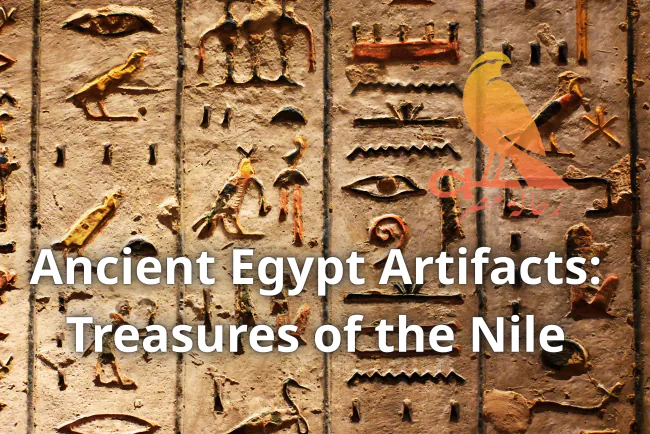
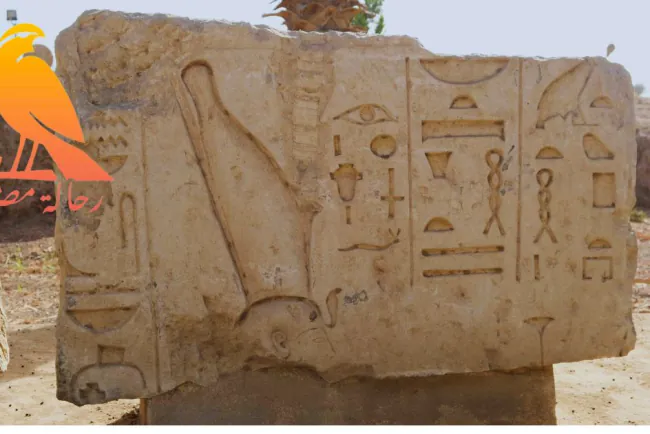
The tomb artifacts are full of symbols and images. These hold secrets of ancient Egyptian society. They tell us about their beliefs, society, and art.
Scholars have worked hard to understand these symbols. They've learned about pharaohs, gods, and rituals. This gives us a glimpse into the minds of the Egyptian elite.
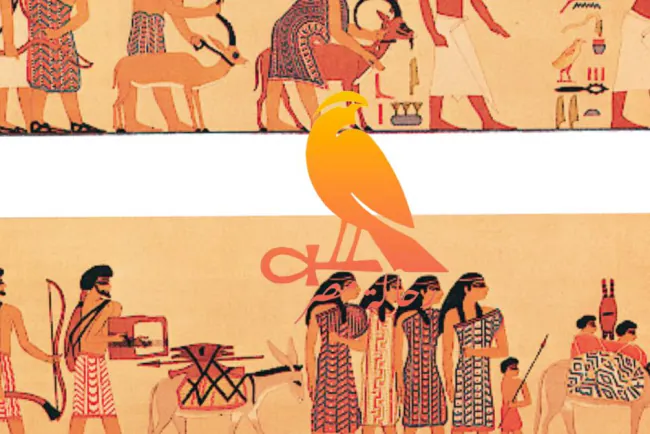
The images on these artifacts are also fascinating. They show everyday life, mythological creatures, and gods. By studying these images, we learn about ancient Egyptian art, craftsmanship, and values.
| Tomb Artifact | Hieroglyphs Decoded | Iconography Revealed |
|---|---|---|
| Canopic jars | Names and titles of the pharaoh, protection of the vital organs | Depictions of the four sons of Horus, guardians of the internal organs |
| Funerary masks | Identification of the deceased, protective spells and prayers | Representation of the pharaoh's divine status and connection to the gods |
| Tomb paintings | Scenes of daily life, religious rituals, and mythological narratives | Vibrant depictions of the pharaoh, deities, and the afterlife |
By studying the symbols and images, we've learned a lot about ancient Egypt. These treasures give us a glimpse into their lives. They help us understand this fascinating civilization better.
Pharaoh Tomb Treasures: Windows into Egypt's Past
The artifacts from ancient Egyptian pharaohs' tombs are amazing. They give us a peek into the rich history and culture of this fascinating civilization. These treasures connect us to the past, showing us the lives and beliefs of Egypt's rulers.
Gold sarcophagi, funerary artwork, and everyday objects found in these tombs reveal much about ancient Egyptian society. The hieroglyphics and icons on these artifacts help us understand their customs and spiritual views. They show us the world of the Egyptian elite.
These treasures are like windows into Egypt's past. They highlight the tech, art, and social structures of this ancient civilization. As we find more of these relics, we learn more about the pharaohs and the secrets of their tombs.
| Treasure | Significance |
|---|---|
| Golden Sarcophagi | Opulent resting places that reflect the wealth and status of the pharaohs |
| Funerary Artwork | Intricate carvings, paintings, and sculptures that depict the pharaohs' journey to the afterlife |
| Everyday Objects | Practical items like jewelry, clothing, and household goods that offer insights into the pharaohs' daily lives |
The treasures from the pharaohs' tombs still amaze scholars and the public. They remind us of the lasting impact of ancient Egyptian history.
Pyramid Excavations: Unearthing Hidden Chambers
The world has always been fascinated by ancient Egyptian artifacts. At the center of this fascination are the pyramid excavations. These have uncovered hidden chambers filled with priceless treasures. Archaeologists work hard to preserve and study these relics, giving us a glimpse into ancient Egyptian life.
Archaeological Techniques and Challenges
Uncovering the pyramids is a complex task. Archaeologists use special techniques and tools to explore the chambers and passageways. Careful mapping and scanning techniques find hidden spaces. Advanced imaging technology uncovers what's inside.
- Ground-penetrating radar and 3D imaging help map the interior of the pyramids.
- Endoscopic cameras allow archaeologists to explore narrow passages and inaccessible areas.
- Laser scanning and photogrammetry create highly detailed digital models of the excavation site.
But, pyramid excavations come with big challenges. The artifacts are fragile, and the pyramids can be unstable. The harsh environment also poses risks. It's crucial to handle the artifacts carefully to keep them safe.
"The pyramid excavations are a true test of our archaeological prowess, requiring a delicate balance of precision, perseverance, and reverence for the past."
As we continue to explore the pyramids, we learn more about ancient Egyptian civilization. We gain insights into their culture and the legacy of their rulers.
Preserving Ancient Egypt's Legacy
The world is amazed by the pharaoh tomb treasures and ancient Egyptian artifacts found. It's crucial to focus on preservation. These treasures give us a peek into ancient Egypt's world. They need careful handling to last for future generations.
Experts use many ways to protect these treasures. They control temperature and humidity in museums. They also use special materials for storage. All these steps help fight off the damage of time and the environment.
- Proper storage and display conditions to prevent deterioration
- Careful restoration and conservation methods to preserve original integrity
- Digitization and archiving efforts to create digital records for research and education
Keeping ancient Egypt's legacy alive is a big job. New finds keep adding to our cultural heritage. Working together is key to keeping these treasures safe and valued for years to come.
"The preservation of our cultural heritage is not just a responsibility, but a necessity for understanding our past and shaping our future."
| Preservation Technique | Description | Benefits |
|---|---|---|
| Climate-Controlled Storage | Maintaining optimal temperature and humidity levels to prevent deterioration | Extends the lifespan of fragile artifacts and protects against environmental damage |
| Non-Invasive Conservation | Employing gentle cleaning methods and stabilization techniques to preserve original materials | Retains the historical and cultural integrity of the artifacts |
| Digital Archiving | Creating high-resolution digital records of artifacts for research, education, and public access | Ensures long-term accessibility and reduces the need for physical handling |
By keeping up with the best preservation practices, we help the ancient Egyptian artifacts and pharaoh tomb treasures reach more people. They will continue to inspire and teach us, keeping ancient Egypt's legacy alive forever.
The Curse of the Pharaohs: Myth or Reality?
The "curse of the pharaohs" is a legend that has captured many hearts. It says that disturbing ancient Egyptian tombs brings dire consequences. But is this ancient superstition true, or just a myth?
Exploring the Legends and Superstitions
The "curse of the pharaohs" started with Tutankhamun's tomb opening in 1922. Soon after, some people involved died mysteriously. This made people believe the curse was real. But science later found that these deaths were likely from natural causes or common illnesses.
Even without solid proof, the curse's legend lives on. Ancient texts hint at curses for tomb disturbers. They also suggest pharaohs could punish those who desecrate their tombs.
- The curse was thought to protect the pharaoh's treasures and the afterlife.
- It's believed that mummies or ancient artifacts can bring bad luck or death.
- Superstitions say certain numbers, like 13, are unlucky in ancient Egyptian tales.
Whether the "curse of the pharaohs" is real or just a myth, it still fascinates us. It adds to the mystery of ancient Egypt and its treasures.
Ancient Egyptian Artifacts in Modern Museums
The ancient Egyptian artifacts and treasures from pharaoh tombs are now in museums worldwide. These items give us a peek into ancient Egypt's history and traditions. They let people from everywhere connect with the past and see the charm of this ancient world.
Museums are key in keeping these artifacts safe and showing them off. They have everything from golden coffins and mummies to detailed hieroglyphs and funerary art. These items are shown with great care, letting visitors see the skill and creativity of the ancient Egyptians.
Modern museums make these artifacts come alive with special exhibitions. Visitors can explore the secrets of pharaoh tombs and the Valley of the Kings. With interactive displays and educational programs, the stories behind these treasures are revealed. This helps us understand the daily lives, beliefs, and culture of the ancient Egyptians.
| Museum | Notable Ancient Egyptian Artifacts on Display | Visitor Attendance (2022) |
|---|---|---|
| The Egyptian Museum, Cairo | Tutankhamun's golden treasures, the Rosetta Stone | 4.5 million |
| The British Museum, London | The Rosetta Stone, the Colossal Bust of Ramesses II | 6.8 million |
| The Louvre, Paris | The Sphinx of Tanis, the Seated Scribe | 7.6 million |
| The Metropolitan Museum of Art, New York | The Temple of Dendur, the Fayum mummies | 5.2 million |
Museums today are important in keeping the legacy of ancient Egypt alive. They use exciting exhibitions and learning programs to spark interest in the treasures of the pharaohs. This helps us keep exploring the mysteries of ancient Egypt.
Conclusion: The Enduring Mystique of Pharaoh Tomb Treasures
Pharaoh tomb treasures have fascinated people for centuries. Scholars, archaeologists, and the public are all drawn to them. These treasures give us a glimpse into ancient Egypt's rich culture and history.
From Tutankhamun's tomb to the opulent sarcophagi and mummies, these finds amaze us. They show the incredible wealth and craftsmanship of ancient Egypt. These treasures inspire wonder and awe in all who see them.
Efforts to preserve and share these treasures keep their mystique alive. By studying and excavating these sites, we learn more about ancient Egypt. This also educates and captivates people worldwide.
The legacy of pharaoh tomb treasures shows our endless curiosity about the past. As we explore Egypt's history, we are reminded of the allure of these artifacts. We also see the importance of preserving this cultural heritage for future generations.
FAQ
What are some of the most significant ancient Egyptian artifacts discovered in pharaoh tombs?
How have the treasures found in the Valley of the Kings impacted our understanding of ancient Egyptian history?
What is the significance of the golden sarcophagi found in pharaoh tombs?
How have the tomb artifacts found in ancient Egyptian excavations revealed insights into the lifestyles and daily lives of the pharaohs and their subjects?
What challenges do archaeologists face when excavating and preserving ancient Egyptian artifacts from pharaoh tombs?
Is the "curse of the pharaohs" a real phenomenon, or is it simply a myth?
How are ancient Egyptian artifacts from pharaoh tombs displayed and preserved in modern museums?
What's Your Reaction?